What do we really know about what climbers eat?
The answer is, we know some things, but not a whole lot! And what information we have might not be very solid or specific!
What do I mean by that? Let me explain.
I recently contributed to this mini-review on climbing nutrition. This was an idea born a year ago by Dr. Lanae Joubert, one of the world’s leading researchers on climbing nutrition. We, along with Dr. Anna Chmielewska of Poland, co-presented at the International Rock Climbing Research Association summit in Prague, Czechia.
We noticed that much of the published climbing nutrition research was sparse, with small sample sizes and self-reported data. We wanted to compile all of what we know and summarize the data.

Here are some of the main findings:
As of now, there are no clinical intervention trials in climbers
This means that we don’t have any studies where a control group and an intervention group are compared to see if a nutrition intervention has any impact on performance or health. What we do have is observational studies, meaning that researchers take a group of climbers and ask them questions about what they eat, their climbing ability, and anthropometrics such as height and weight.
Out of 16 studies, we have 658 climbers surveyed.
This is a small sample compared to how many climbers are likely in the world. We only have two studies on adolecents, and 43% of the subjects were female.
There was a wide variety of subjects ranging from adolescent to adult, and recreational to elite. The subjects were from nine different countries.
Climber dietary intake is not adequate!
The female dietary energy (calories) intake ranged from 1,335 ± 446 to 2,047 ± 649 calories. The lower end is not even enough to support most female’s basal metabolic needs, let alone climbing training. Even the high end is sometimes not enough! If this information is accurate, we should be worried about climbers getting enough food to support training and basic body processed and organ function.
The male dietary energy intake averaged 2,100–2,700 calories daily. Similarly to females, the low range is likely not enough for most adult climbers to support training and body functions. Active climbers often need more calories than this. Between 36%–88% of the participants presented with suboptimal energy availability. This can be a problem as it may lead to Relative Energy Deficiency in Sport. I
n my opinion, based off of the current research we have, not eating enough is the biggest nutrition mistake climbers make.
Most climbers don’t eat enough micronutrients
Most studies reported that climbers were not eating enough vitamins and minerals. The female subjects in eight studies had insufficient intake! Vitamin D intake was also low in seven of the studies.
Take-home message
Out of all the climbing nutrition research we have, most shows that climbers do not eat enough. It’s important to note that we don’t have a wide body of research, and what we do have is limited by some study designs. However, the evidence is starting to show that climbers really don’t eat enough. In fact, not one single study showed that the majority of climbers are eating adequately!
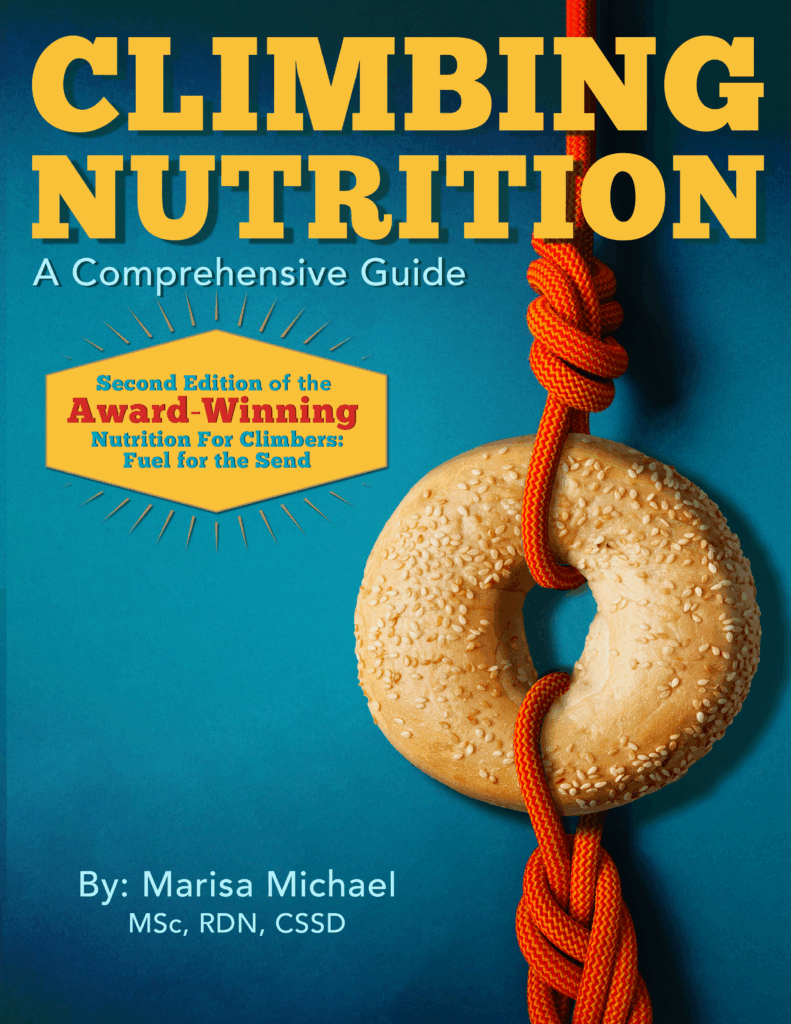
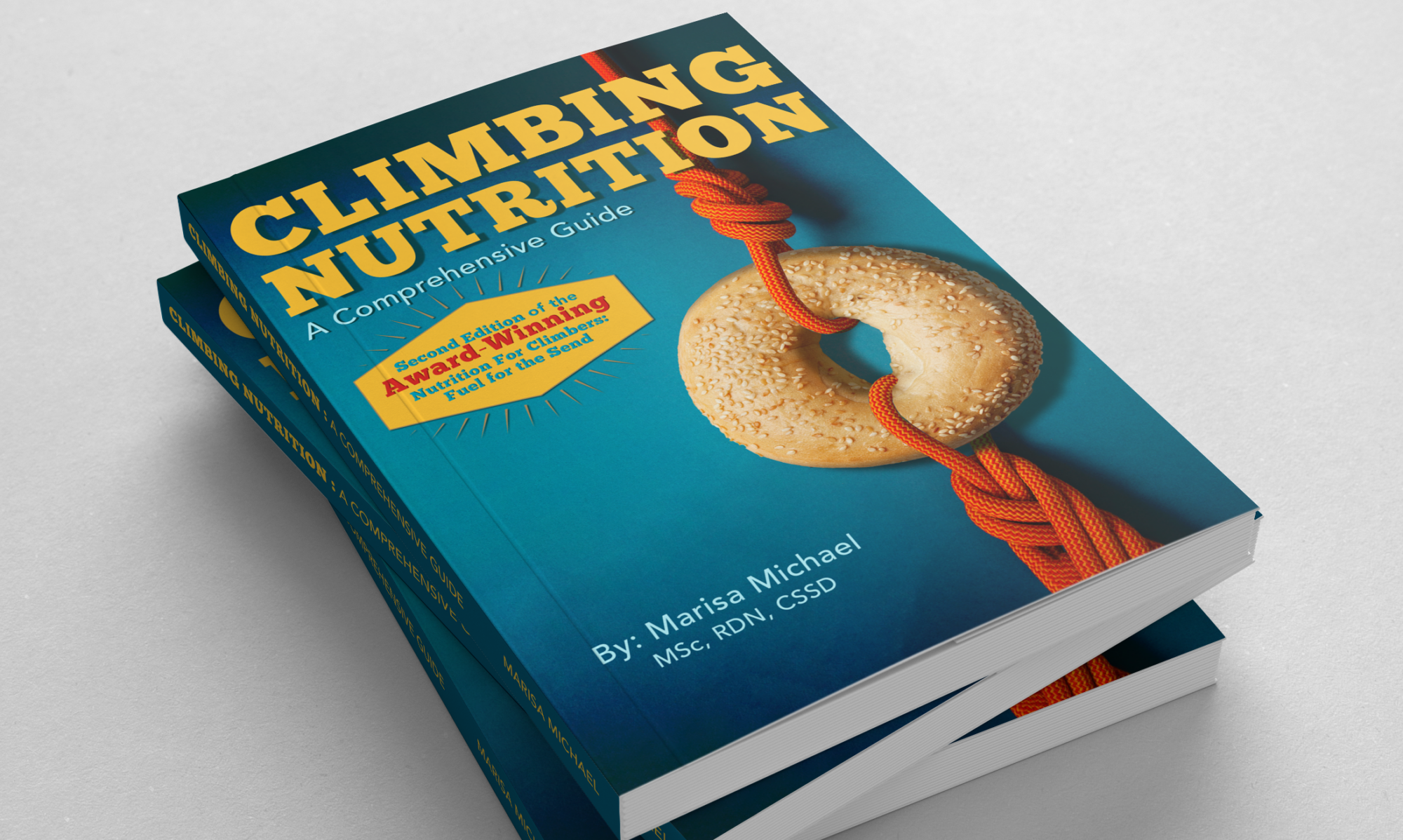
Want to learn more about optimizing your nutrition for health and performance? Check out Climbing Nutrition: A Comprehensive Guide!